
Plastics are synthetic and man-made materials that can be produced in different shapes and sizes. The factory owners obtain plastic chemically from materials such as natural gas, limestone, oil, salt, water, etc. and convert it into various usable forms using special machines. Today, plastics are one of the vital products in various sectors such as homes, schools, offices, etc. with their wide spread in various industries.
Plastic Making Method
Plastic production takes place through various processes, which in simple terms can be said that it begins with the extraction of oil and natural gas, and after separating and adding chemicals to it, it is divided into smaller pieces, and in the final stages, it is molded and shaped. The yield is transferred to the plastic production plant. Plastics are generally known in two synthetic or bio-based groups: synthetic plastic is obtained from crude oil, natural gas, and coal, and bio-based plastic is renewable and made from materials such as starch, fat, vegetable oil, etc. will be Today, due to the high volume of plastic products, the economic efficiency of its purchase is of great importance. For this reason, synthetic plastics, which have a lower cost, are consumed in larger quantities.
Methods of making plastic products
Today, we can see plastics everywhere in our lives, bags and nylons, beverage bottles, household appliances, cars, etc., are all items that are made of plastic. In general, the method of shaping plastics is that first the raw materials (plastic granules, flake or powder) are melted by heat and the melt is poured into the mold in which the shape of the final product is designed and made. The melt poured inside the mold is removed from the mold after cooling so that it takes the shape of the final product.
Injection Molding Molding
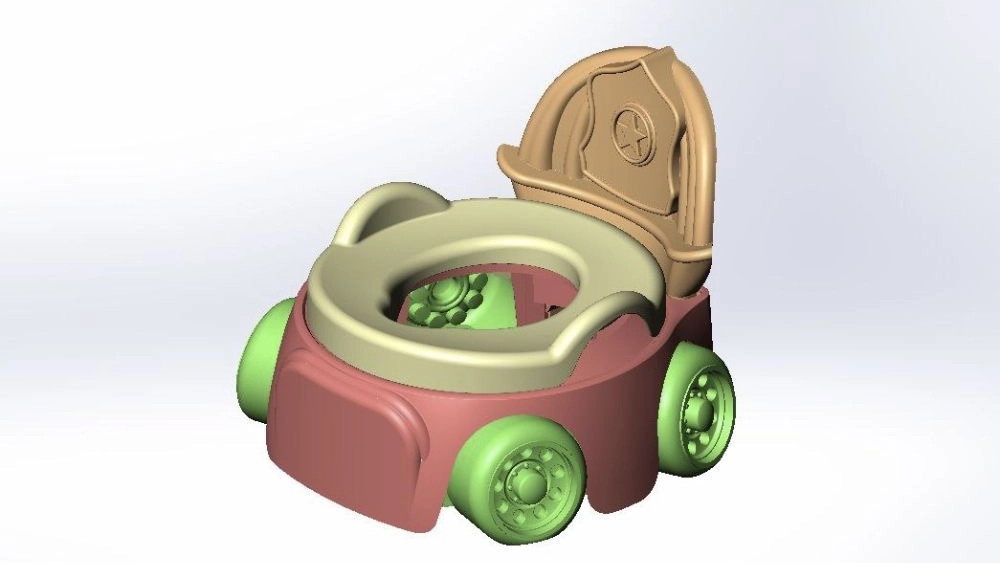
Injection molding is the most popular method for producing plastic products. In this method, which is performed by a plastic injection machine, the plastic material is first melted inside the machine and then injected into the mold by a moving spiral. After cooling, the injected melt is thrown out by the mold pins. This method usually produces products such as: household appliances, fruit baskets, car bumpers, car parts, etc.
In injection molding, different types of plastic can be used, but it should be noted that plastics with low MFI should not be used, because due to the low flow of the melt, the mold may not be filled and pressure may be applied to the device. /p>
Blue Molding Molding
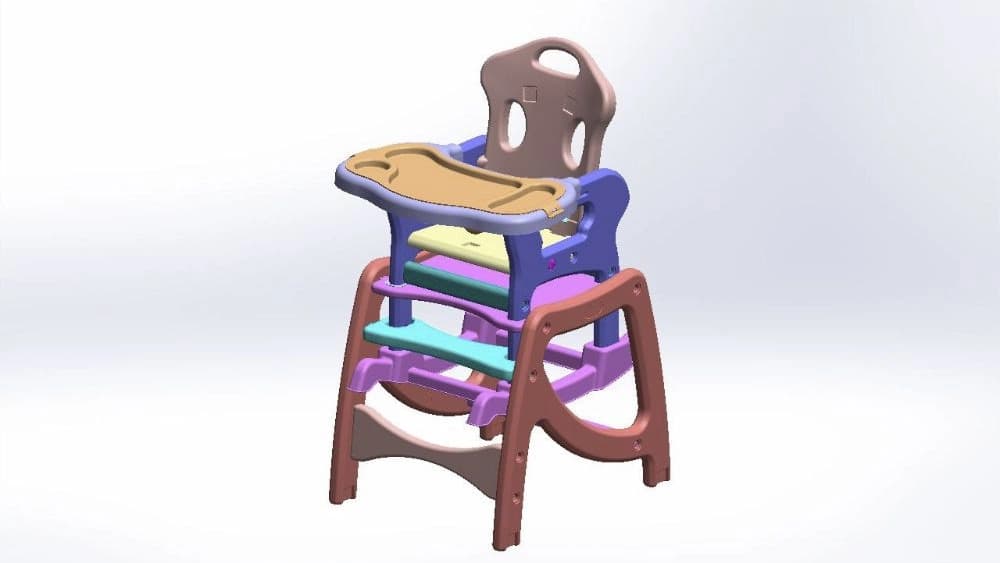
This method is used to produce hollow products in which the thickness of the wall is uniform, products such as bottles, gallons,... The extruder is melted and the produced melt is shaped into a gut. Then the two halves of the mold are surrounded and closed. After the mold is closed, pressurized air is blown from the end part of the mold and causes the plastic to stick to the body of the mold and take the shape of the mold. Usually in this method They use plastics such as: low density polyethylene, high density polyethylene, polyethylene terephthalate, polypropylene and polyvinyl chloride.
Compression Molding Molding
This method is usually used to shape thermostats (such as tires), but it is also used to make plastic products. In compression molding, first, plastic materials (usually in the form of sheets) are placed in the cavity of the lower jaw of the mold. And then after the upper jaw of the mold is closed, due to pressure and heat, the plastic takes the shape of the mold.
Pressure molding is used to produce products such as disposable containers, composites and fiberglass. goes.
To create strong parts, compression molding is used to produce parts in a wide variety of products, including automotive parts, home appliances, clothing fasteners, and body armor.
Extrusion Molding Molding
Extrusion molding is used to produce products that have intermittent and continuous length, such as pipes, granules, etc.
In this method, the plastic melt is pushed forward by a spiral, and when the shape of the mold is exited (Dai) takes on himself. In this process, the plastic is continuously removed from the machine after forming. In this method, low Mfi plastics are used.