
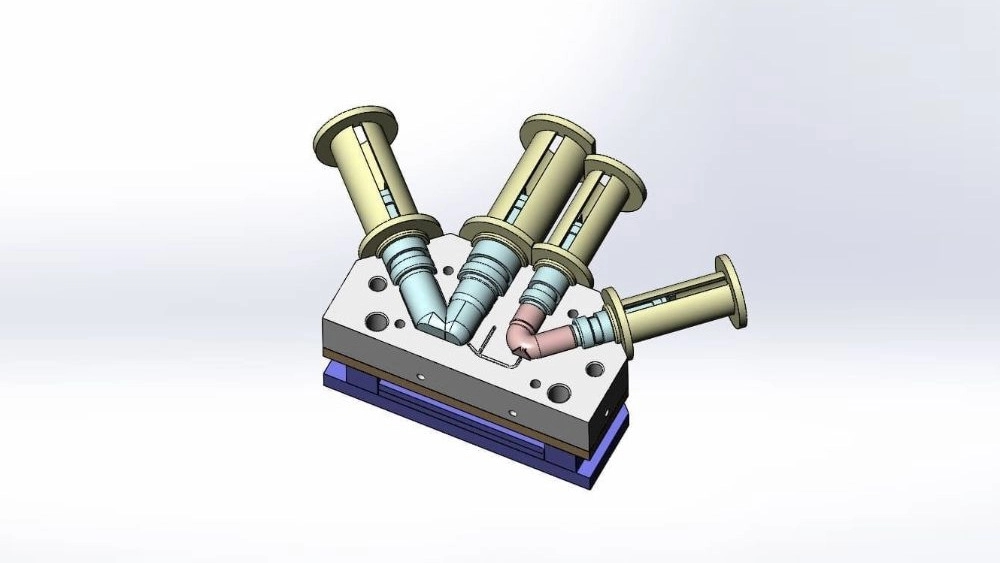
The raw materials for producing plastic are placed in several different categories, polymers are a large type of molecules that are compact and repeated a lot, these polymers have different types and each of these types is for A theme is used.
Plastic Production
In general, two processes are carried out for plastic production, which are the steps of the polymerization process and the process of polymerization. In order to achieve the results of these processes, special catalysts must be used and it is necessary in the reactor or the reaction agent (a device in which the reaction takes place). be done chemically) Polymerization of monomers such as propylene and ethylene that are connected together like a long chain form a polymer that each polymer has its own characteristics, for example: size and structure, etc. which depends on the different models of the base monomer used
Plastic Parts Production
The production of plastic parts is done using different processes, each of which is suitable for specific applications and geometries. From traditional methods such as molding and extrusion to new technologies such as 3D printing and advanced injection molding, each has its own advantages and limitations. This article provides an overview of these processes and guidelines for choosing the best method for different applications.
With the advancement of technology, the production methods of plastic parts have improved and the ability to customize at a higher level has been provided. These technologies enable the production of parts with high precision and in different circulations, without incurring excessive costs. These changes have not only increased the efficiency and speed of production, but also improved the quality and accuracy of the parts.
Also, paying attention to environmental and economic standards has played an important role in the development of these technologies. The improvement of the production processes of plastic parts shows the power of adaptability and progress in the modern era, an era in which faster and more accurate production according to the needs of customers has become more important.
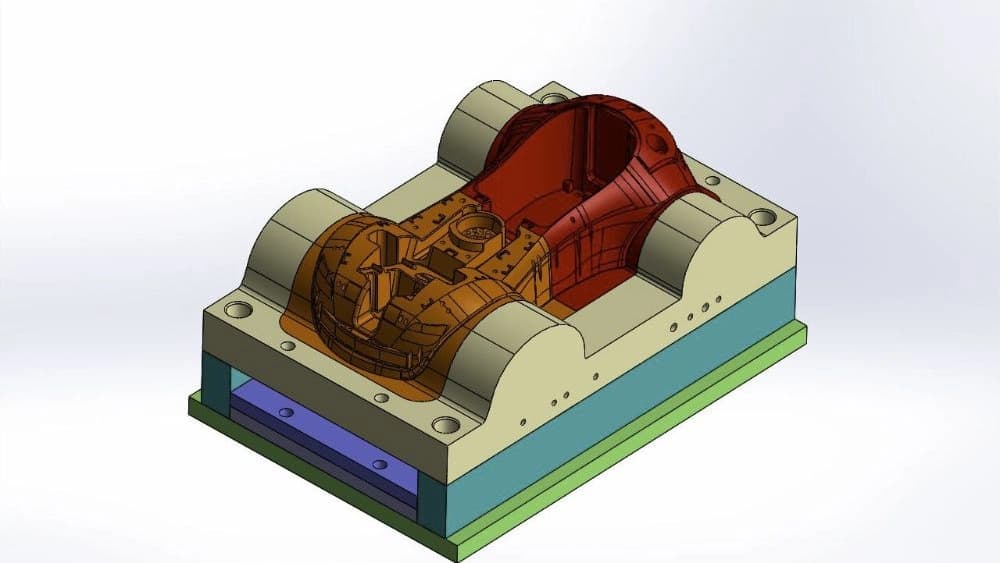
How to Choose the Plastic Making Process Correct?
When choosing your product manufacturing process, consider the following factors:
Shape: Do your parts have intricate internal details or tight tolerances? Depending on the geometry of a design, manufacturing options may be limited or significant design for manufacturing (DFM) optimization may be required to make part production economically viable.
Volume / Cost: What is the total or annual volume of the parts you plan to make? The cost of tools and installation in some production processes is high, but they produce cheap parts. In contrast, low-volume manufacturing processes have low start-up costs, but due to slower cycle times, less automation, and labor, the cost per part remains constant or decreases only marginally as volume increases.
Processing Time: How quickly do you need parts or finished products? Some processes produce primary parts within 24 hours, while tooling and setting up some high-volume production processes take months. It takes time.
Material: What stresses and strains should your product be resistant to? The optimal material for a given application is determined by certain factors. The price should match the expected utility and beauty. Consider the ideal properties for your specific application and compare them to available material options for a given manufacturing process.
Types of Plastic Parts Production
Plastics come in thousands of different types with different base chemicals, derivatives and additives to cover a wide range of applications. To simplify the process of finding the right material for a particular part or product, we must first look at the two main types of plastic: thermoplastic and thermoset.
Key Properties of Plastic Parts Making Parts
Durability: Plastics have different durability depending on the type. Thermoplastics usually offer good impact resistance, while thermoplastics are more resistant to heat and chemicals. It is important. Thermosets generally perform better than thermoplastics in this regard.
Cost Savings: Thermoplastics are often more economical options due to their recyclability and reusability. While thermostats may have higher initial costs, they are more affordable for certain applications that require high chemical or thermal resistance.